
Biosecurity for Visiting Contractors: Why Your Biggest Pathogen Risk Arrives in a Van
A historic estate will routinely invest tens of thousands of pounds annually into its in-house horticultural team. Staff are trained, pristine walled gardens are maintained, and internal hygiene protocols are strictly observed.
Then, on a Tuesday morning, the main gates open. A subcontracted fencing crew, an external arborist, or a marquee company rolls up the historic tree avenue in a transit van.

Wheels can be a source of contamination.
What the estate manager often does not know is that yesterday, that same van was parked in a woodland battling an outbreak of Phytophthora ramorum. Today, the compacted mud on its tyres is being driven straight across your heritage parkland.
When we talk about biosecurity on rural estates, the conversation often focuses on buying disease-free plants or monitoring existing stock. However, in my experience auditing high end landscapes, the single greatest phytosanitary vulnerability is not what you plant; it is who you let through the gates.
The Financial Liability of the Blind Spot
For managing agents and corporate trustees, this is fundamentally a matter of risk management. A routine £500 fencing repair or a highly profitable weekend marquee event can quickly become a devastating financial liability if biosecurity is breached.
Pathogens do not respect property lines. Soil borne diseases like Phytophthora, or aggressive fungal infections introduced into fresh pruning wounds by dirty tools, can decimate a historic landscape. The cost of felling infected veteran trees, safely disposing of the timber, and reinstating a 250 year old landscape will dwarf whatever the visiting contractor was paid.
The Three Major Vectors
When external contractors operate on a historic estate, the primary biosecurity threats fall into three distinct categories:
Vehicles and Heavy Machinery: Mud is a highly effective vector for soil borne pathogens. A minidigger or event catering truck that has not been power washed between jobs can deposit contaminated soil directly over the vulnerable root protection areas of heritage trees.
Unsterilised Tools: An external tree surgeon’s chainsaw, or a landscaper’s stump grinder, can easily transfer infected sap and wood dust from one estate to another. If tools are not visibly clean and disinfected with appropriate solutions between sites, your trees are at immediate risk.
Imported Materials: Quick turnaround events often require supplementary landscaping. Uncertified topsoil, cheap mulch, or imported turf brought in to repair marquee damage can introduce devastating nematodes and pathogens directly into the estate's ecosystem.
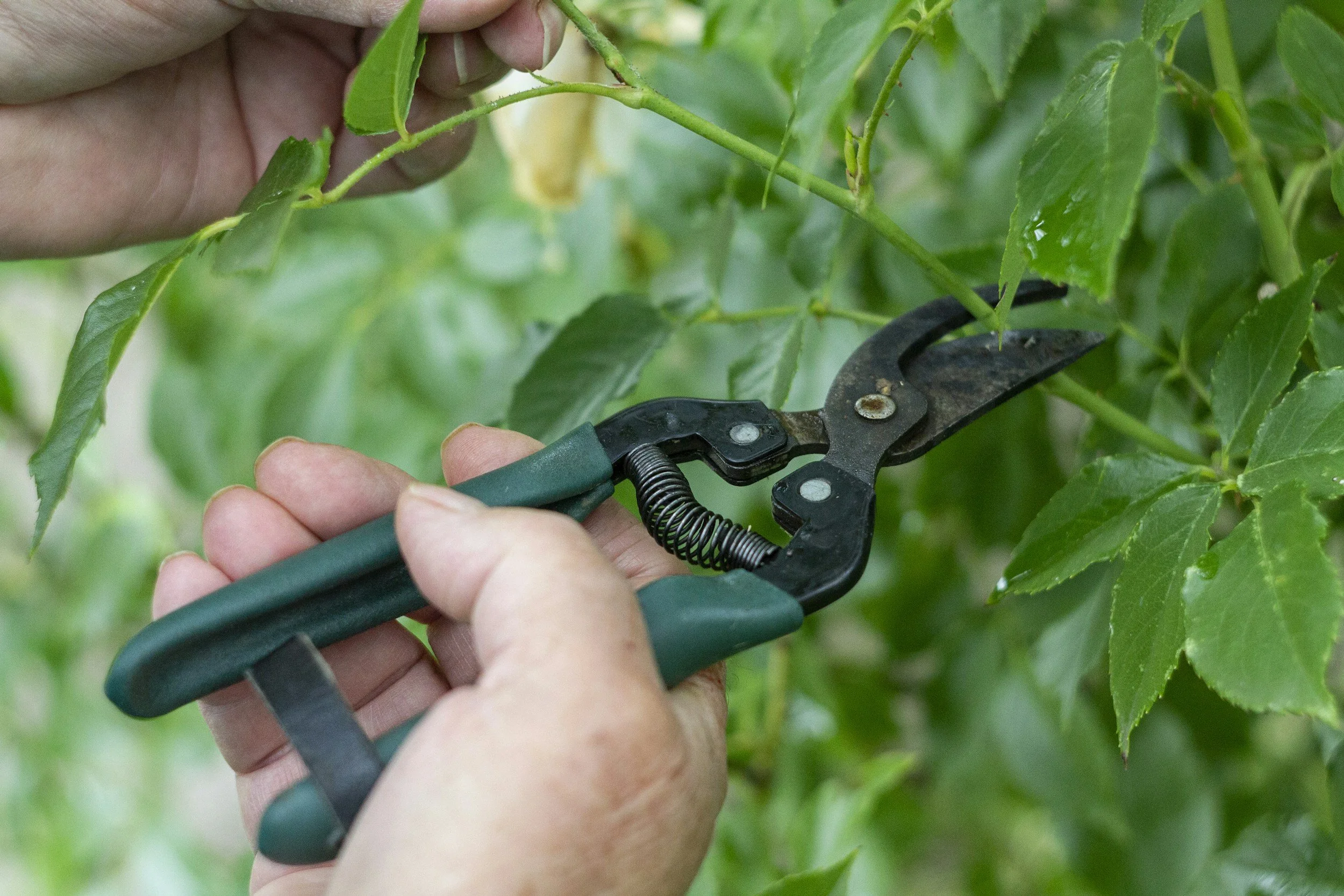
Unsterilised tools can be a transmission pathway
The Solution: A Contractor Biosecurity Protocol
Leaving the policing of contractors to your inhouse gardening team often creates friction and rarely results in strict compliance. It requires objective, external oversight.
Historic estates must implement a robust Contractor Biosecurity Protocol before any external crew crosses the cattle grid. This means establishing mandatory wash down stations, insisting on tool sanitation logs, and requiring material passports for any soil or organic matter brought onto the grounds.
As a horticultural consultant, my role is to bring border-level phytosanitary standards to your estate. By establishing clear, non negotiable biosecurity protocols for third parties, we remove the burden from your operational staff and ensure your historic assets are protected from the risks rolling through the front gate.
Get in touch to discuss Contractor Biosecurity Protocol for your estate and ensure that the next crew through your gates isn’t your greatest liability.