
Phytophthora on the Estate: Why Rapid Triage Saves Tens of Thousands
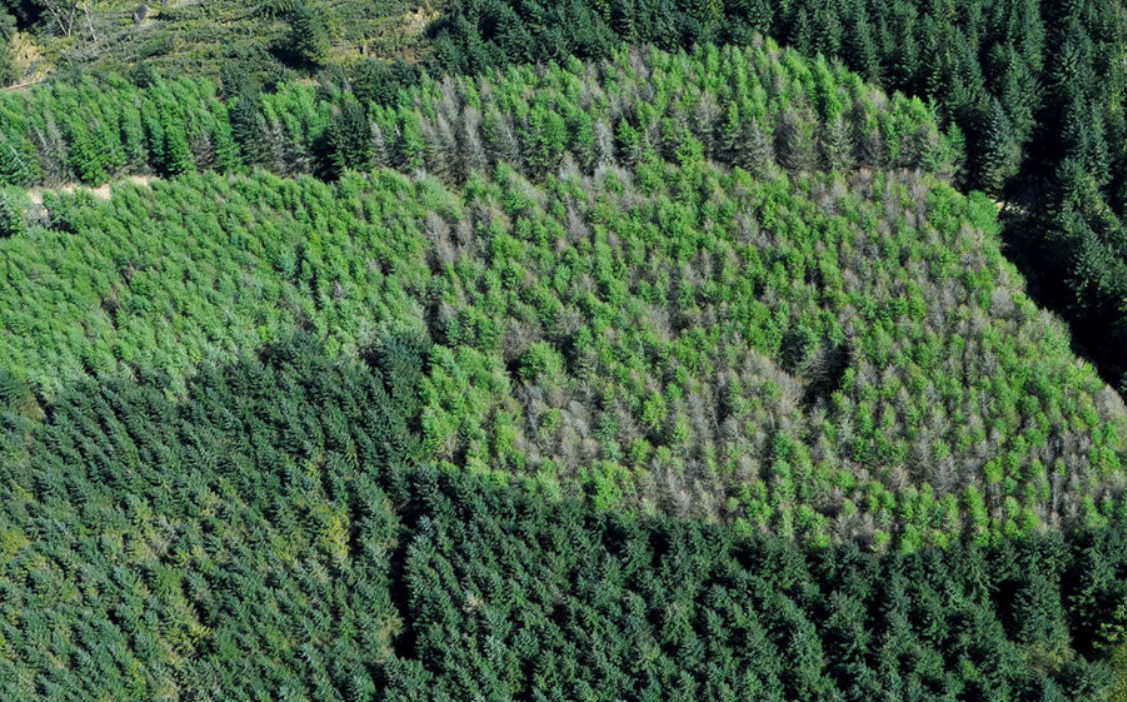
Large area of loss due to phytophora, Credit Forestry Commission
For the managers and trustees of rural estates, the word Phytophthora is enough to send a chill down the spine. This genus of aggressive water moulds responsible for everything from the historic potato blight to the current devastation of our larch and juniper woodlands, it doesn't just kill trees, it also triggers catastrophic financial and operational liabilities.
I know firsthand just how devastating this can be. During my time managing the gardens at Mount Stuart on the Isle of Bute, we lost a number of magnificent, historic ornamental rhododendrons to a Phytophthora outbreak. Watching decades of carefully cultivated heritage horticulture succumb to a microscopic pathogen is genuinely heartbreaking.
When a notifiable pathogen like Phytophthora ramorum or P. pluvialis takes hold, it frequently results in a Statutory Plant Health Notice (SPHN) from the government. This legally forces the estate into sudden, massive clear felling operations. The landscape is decimated, the timber is often downgraded or destroyed, and the cost to the estate can run into the tens of thousands.
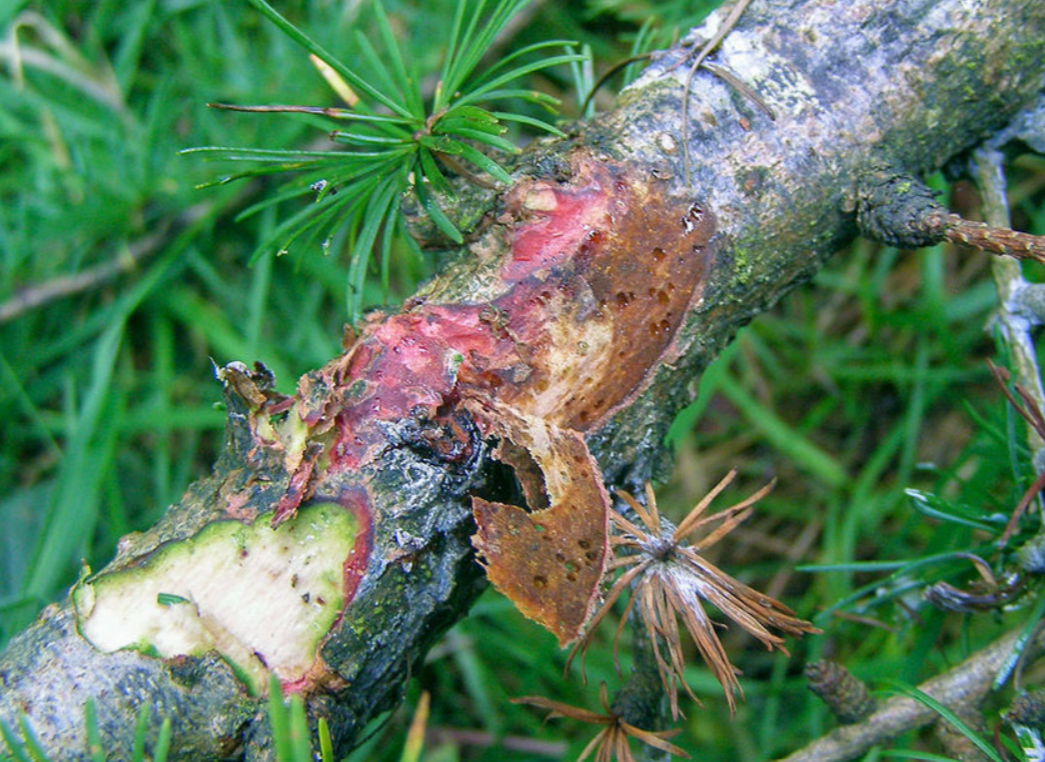
A key symptom is Bleeding on stem and braches - Credit Forestry Commission
The tragic reality is that the vast majority of this spread is entirely preventable. It happens simply because the pathogen is moving faster than the estate’s diagnostic processes.
The Invisible Highway
Phytophthora species are water moulds; their spores thrive in damp soil, standing water, and mud. This means the biggest threat to your estate isn't the wind it’s your own operations.
Mud on the boots of ground staff, the heavily treaded tyres of a forestry forwarder, and unchecked water runoff from a recently excavated drainage ditch act as super highways for the spores. A contractor working in an infected compartment in the morning can easily track the pathogen straight into your pristine historic arboretum by the afternoon.
Often, the early symptoms a slight thinning of the canopy or a subtle bleeding canker on the lower trunk are missed by ground staff focused on daily maintenance. By the time the dieback is obvious enough to warrant calling in an expert, the pathogen has already contaminated the soil profile across multiple acres.
The Delay of the Laboratory
Historically, the response to a suspected Phytophthora infection has been to take a tissue sample and send it away to a laboratory for a full PCR test. While this is essential for identifying the exact species of the pathogen, the process can take weeks.
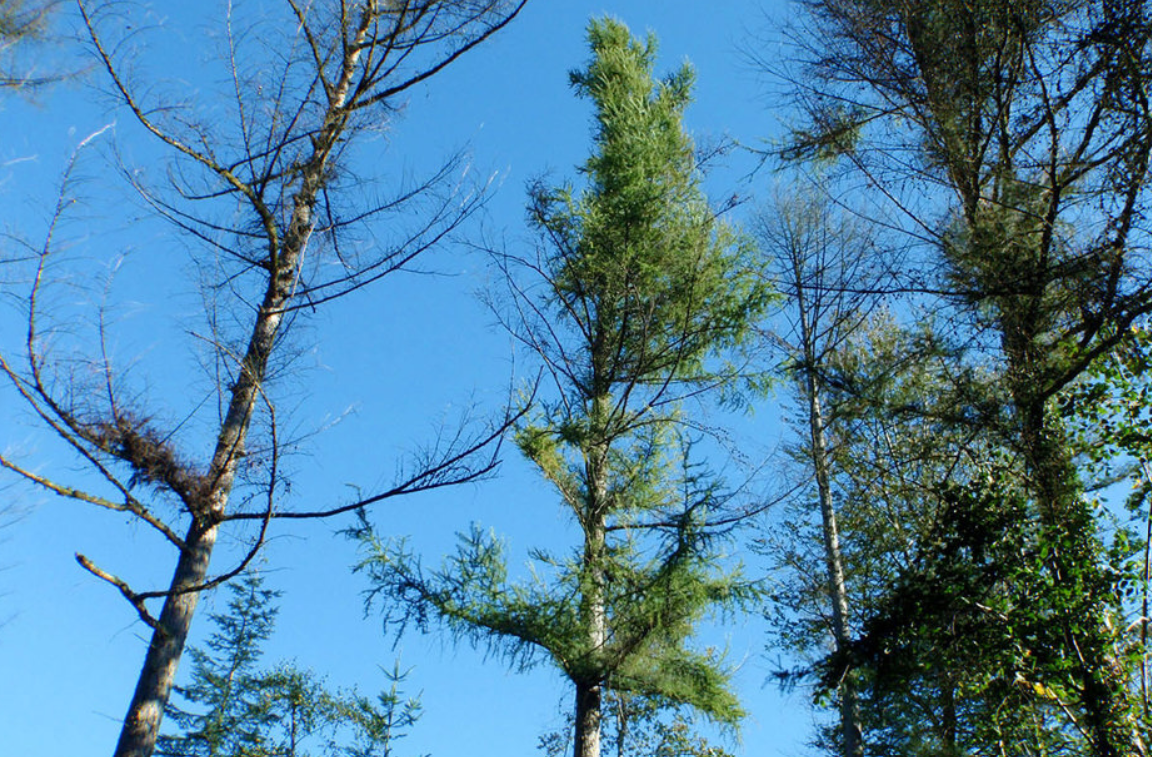
Quick death of the tree is usually the only outcome with Phytophera - Credit Forestry Commission
During those two to three weeks of waiting, operations continue. Estate workers keep walking the paths, machinery keeps moving, and the pathogen continues to spread. You are effectively operating blind during the most critical window of containment.
The Advantage of Rapid On-Site Triage
This is where independent, proactive biosecurity management completely changes the outcome for an estate. We do not wait for the laboratory to tell us we have a crisis.
Utilising pocket Lateral Flow Devices (LFDs) (the same technology used in rapid medical testing) we can perform on site triage for the Phytophthora genus within minutes.
While an LFD cannot tell us the exact species, a positive result instantly confirms the presence of a critical biosecurity threat. It provides immediate, physical evidence that allows us to implement emergency protocols that same afternoon. We can instantly halt machinery access, tape off the compartment, and establish boot-washing stations, entirely containing the threat while the formal laboratory sample is processed.
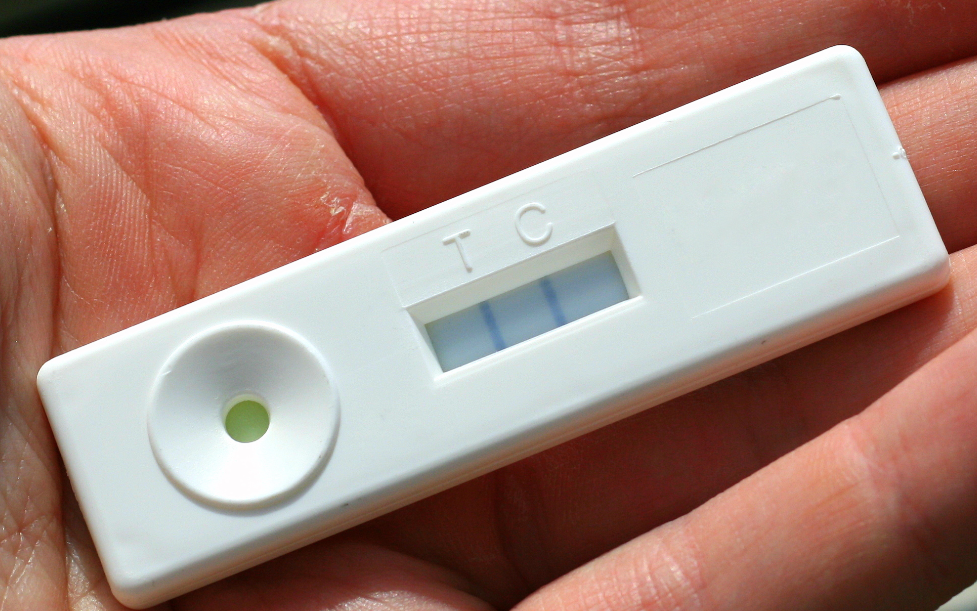
Flow tests
Proactive Risk Management
Coupled with drone canopy mapping to spot the earliest signs of stress from above, this rapid triage capability shifts an estate from a reactive, damage control footing to a proactive, risk-management strategy.
We provide the intelligence required to isolate a threat before the government is forced to step in, protecting both the heritage of the landscape and the financial assets of the estate.
If you manage a rural property and require a comprehensive biosecurity audit or rapid diagnostics, get in touch to discuss how we can secure your site.