
It's Already Here, So Why Bother? The Case for Defending Against Endemic Disease
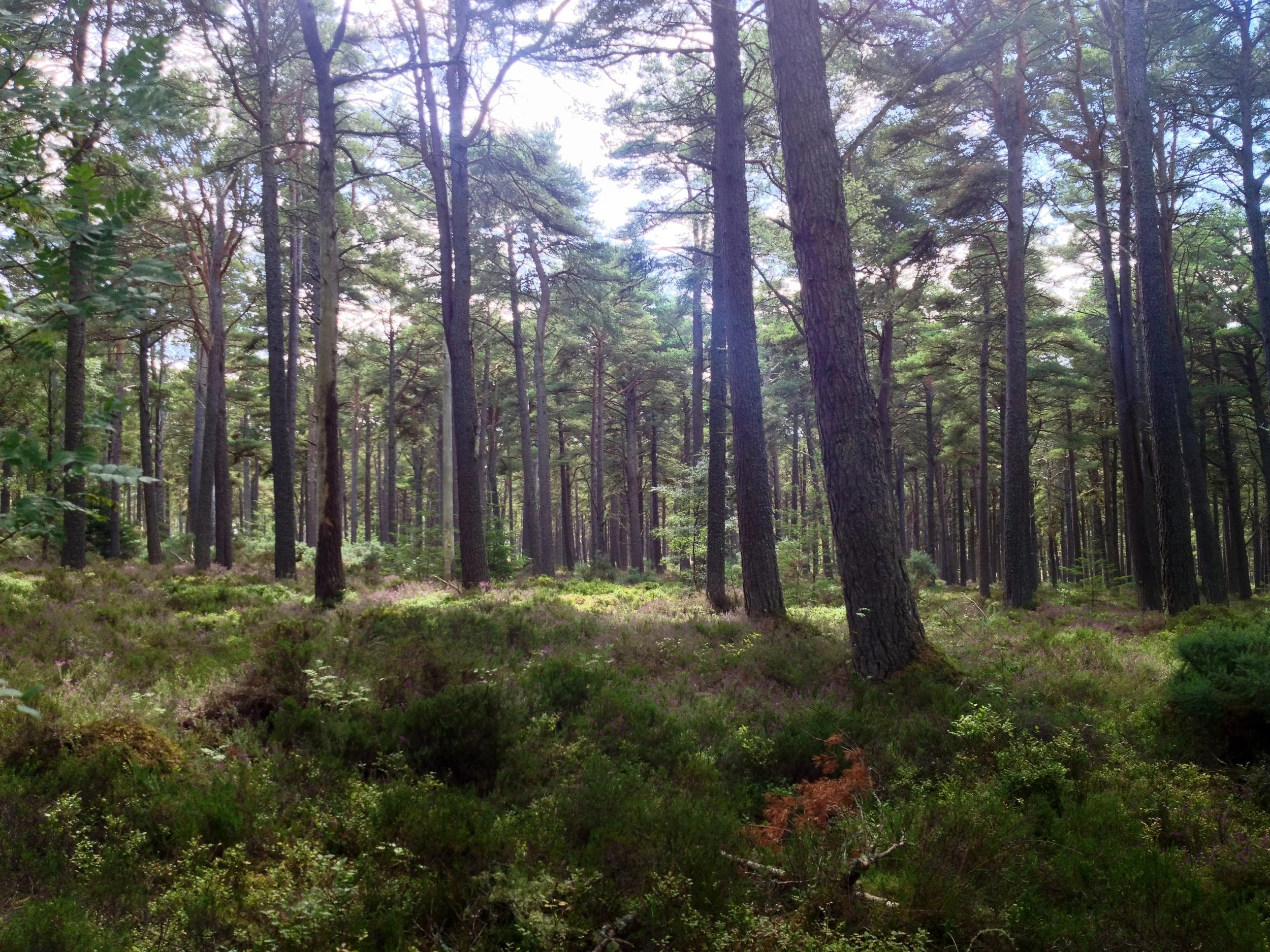
A healthy well structured pine woodland.
There is a moment in a plant health conversation that comes up more often than you might think. I explain that a pathogen is established, widespread, not going anywhere, and the manager across the table asks the entirely reasonable question: if it is already here and already spreading, why would I spend money defending against it?
It is a fair question. But I don't think it's necessarily the right one to ask, and the reason why goes to the heart of how disease actually behaves in a landscape.
Exclusion and management are two different jobs
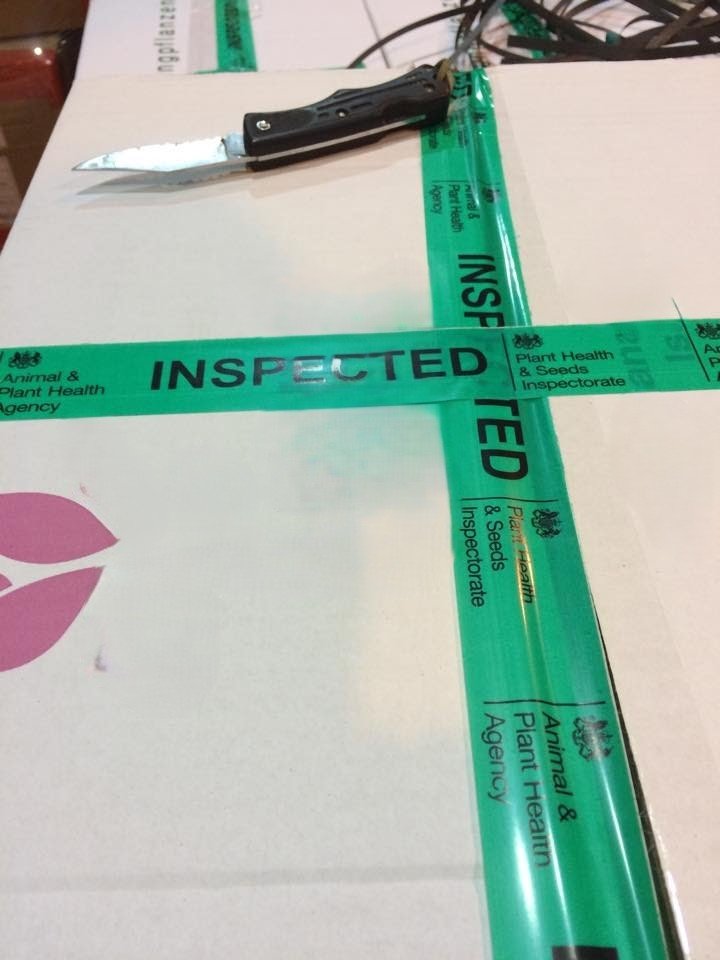
Plant material inspection at the border
Most people's mental model of plant health is a border. You keep the bad thing out. Inspection, certification, quarantine, the whole apparatus that stops a pathogen arriving in the first place. That work is real and it matters, and there are threats where it is the only thing standing between us and ecological disaster. Pine wilt is the obvious one. The pinewood nematode that causes it is not established here, and an enormous amount of effort goes into keeping it that way (only heat treated wood, phytosanitary certificates and so on), because once it is in, the game changes completely.
That is exactly the point. Exclusion is the job you do before something arrives. Once a pathogen is endemic, exclusion is over. You have lost that round, and no amount of spending will un-lose it. But treating the end of exclusion as the end of all defence is a category error. It confuses one job with another. Because the moment something is established, a different discipline takes over, and it is the one most owners never think about: management.
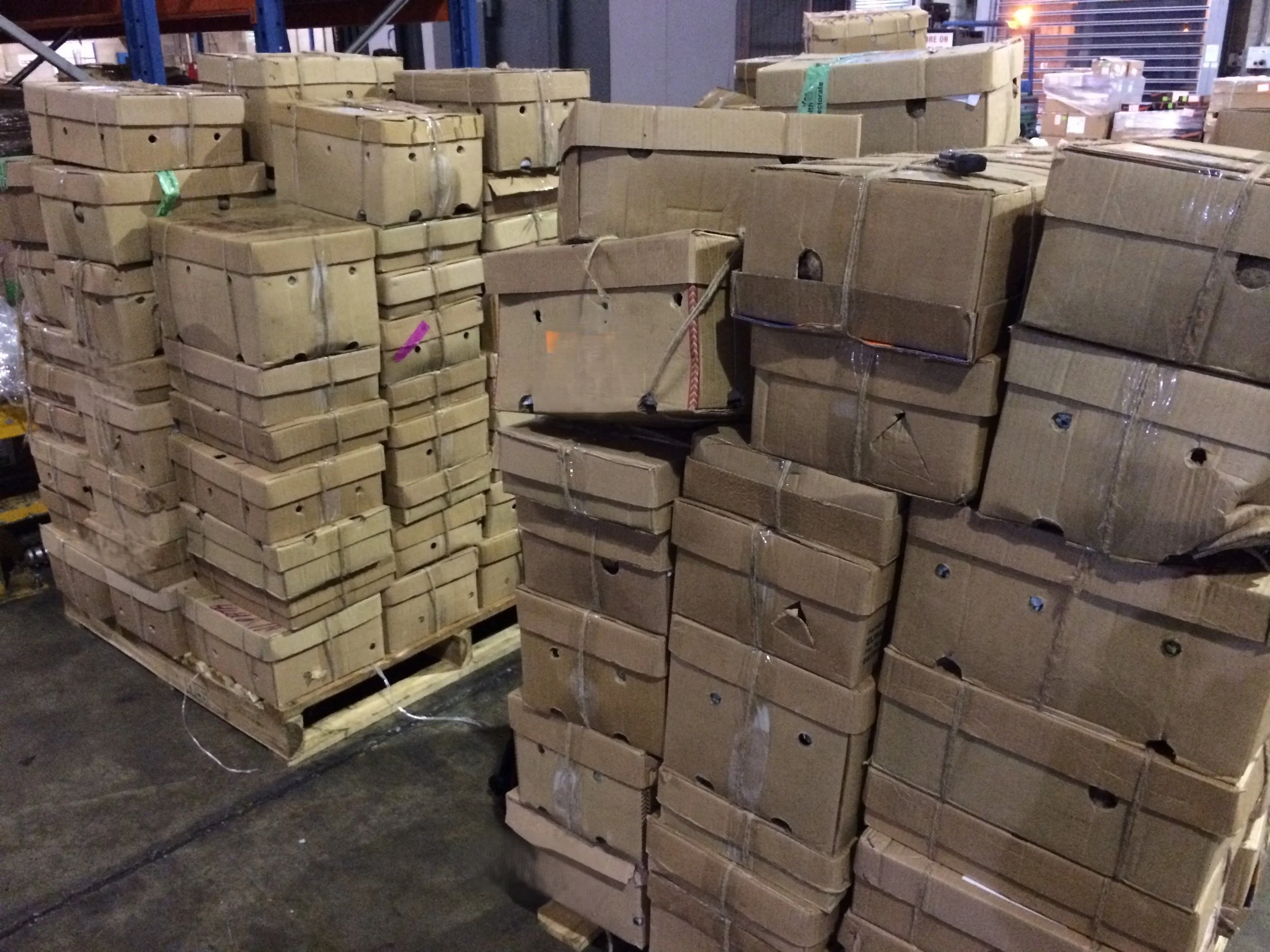
Rejected shipment containing phohibited potatoes.
Endemic does not mean uniform
Here is the thing that gets lost. Endemic describes presence across a region. It does not describe a constant, even pressure bearing down equally on every tree. Disease is not weather. It is an interaction, and the level of it at any given spot depends on conditions you can influence.
Every infection is a meeting of three things: a susceptible host, a viable pathogen, and an environment that lets the two interact. Foresters know this instinctively even if they have never drawn the triangle. Change any side of it and you change the outcome. A stand thinned for airflow dries faster after rain, and a pathogen that needs prolonged leaf wetness to infect gets fewer chances. The same species planted at the same density in a damp, still hollow will carry a far heavier load than one on an open, moving site a few hundred metres away. Same region, same endemic pathogen, completely different disease pressure. That difference is not luck. It is the space in which management works.
So when someone tells me a disease is everywhere, my answer is, not everywhere, only where it thrives. The local load is something you can push down, and pushing it down is the whole game.
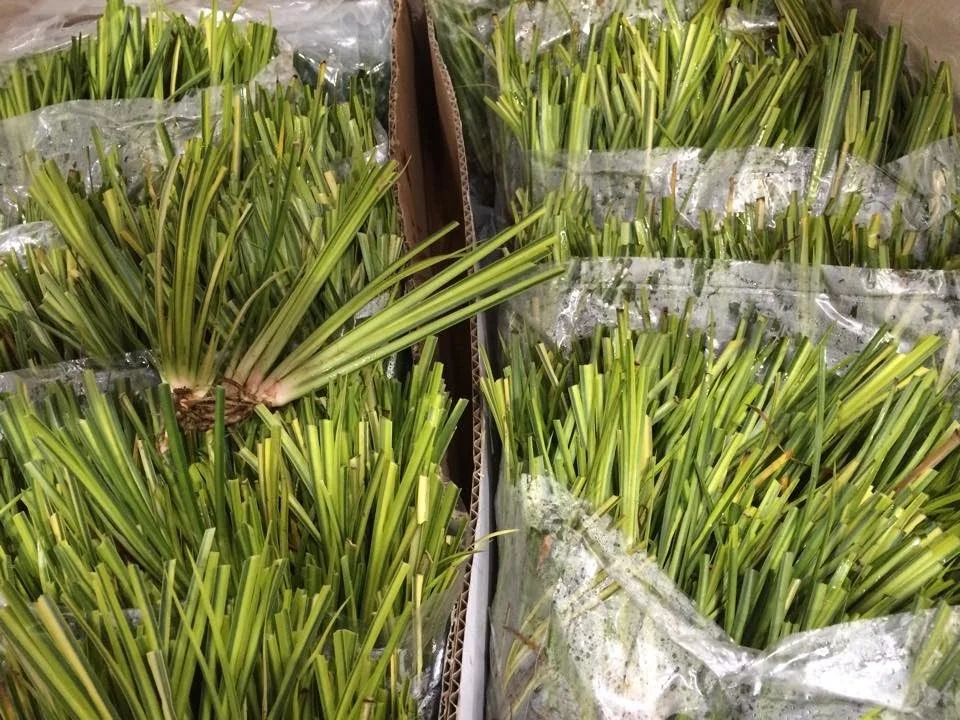
Plant material at border being inspected
Endemic does not mean terminal
The second buried assumption is that if a tree has the pathogen, the tree is lost. More often than not, that is not the case. A tree carrying a low burden of an endemic disease, on a good site, with the vigour to compensate, can live a full and productive life. What tips it over is accumulation: a heavy inoculum load, a stressed host, a season that favours the pathogen, all stacking up until growth loss or death follows.
Management is the work of keeping trees below that threshold. You are not trying to make the pathogen vanish, because you cannot. You are trying to keep the pressure low enough, and the trees healthy enough, that they cope. That is a completely achievable goal, and it is invisible to anyone still thinking in terms of eradication.
What defence actually looks like once you accept it is here
Once you stop trying to exclude the unexcludeable, a real toolkit opens up, and none of it is out of reach.
You manage the stand to work against the pathogen rather than for it. For a disease that thrives in still, humid canopies, thinning to improve airflow is one of the most effective things you can do, and it pays for itself in timber terms anyway. You diversify, so that a single pathogen finding a single susceptible species cannot take the whole crop with it. You choose planting stock with an eye to tolerance and provenance, because not every tree meets a disease with the same defences. You protect your highest value stock deliberately, the veteran, the seed source, the specimen that cannot be replaced, rather than spreading thin effort evenly across ground where it does not matter. You keep your hygiene tight, because even an endemic pathogen benefits from you carrying it into clean compartments on boots, tools and tyres. And you time operations to avoid handing the pathogen its best conditions.
None of that is a border. All of it is defence. It is simply defence aimed at the disease you have rather than the one you hoped to keep out.
The mindset is the real shift
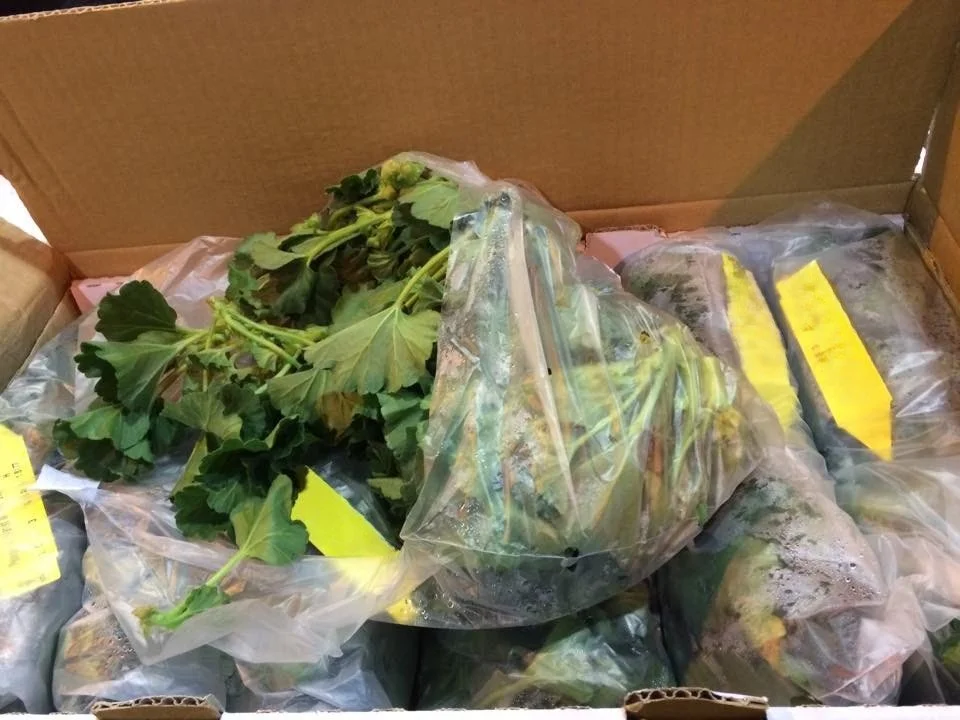
Plant material arriving to be inspected.
I spent time as a plant health inspector, working at the border with plant material and biosecurity threats from every country, and the thing that role teaches you is the difference between the two jobs at a bone-deep level. At the border, your enemy is arrival, and success is a clean site. On the estate, once something is established, your enemy is accumulation, and success is a working landscape that carries a disease without being ruined by it. Those are different mentalities, and the mistake that costs owners money is carrying border thinking onto established ground, deciding that because they cannot win the exclusion fight, there is no fight worth having.
There is. It is just a quieter, longer, more managerial one, measured not in keeping something out but in keeping something down.
So the honest answer to "why bother, it's already here" is this. You bother because endemic is not a verdict, it is a starting condition. The disease being present tells you almost nothing about how much damage it will do, because that part is still substantially in your hands. The real question was never whether to defend. It is how, and how well, and that is exactly the question a proper plant health assessment exists to answer.